
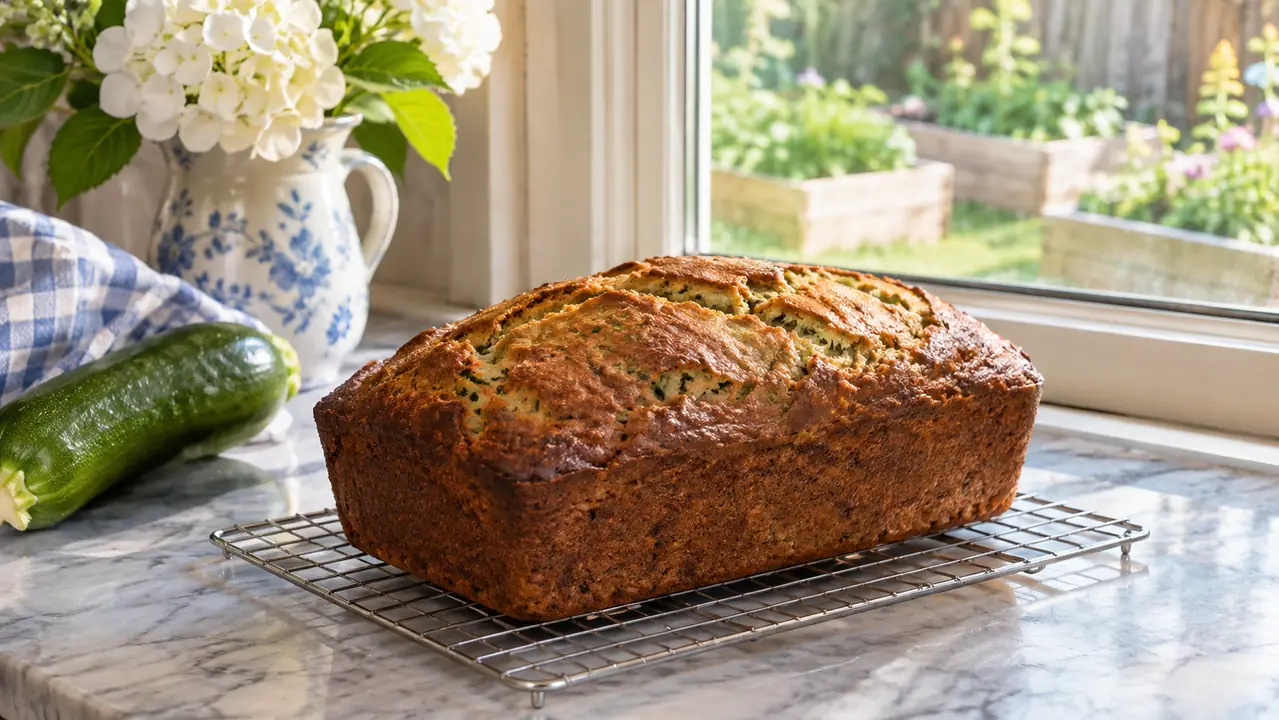
The first zucchini bread of the summer came out of the oven on a Tuesday, and by Thursday it was down to half a loaf. That is what happens when Caleb is around. He is twelve, he plays baseball, and he eats like the season might end tomorrow. I baked two loaves because I always bake two loaves. The second one sat on the counter, cut open, waiting for someone to finish it.
For years I would tear off a sheet of plastic wrap, press it over the cut end, and tell myself I would reuse it. I never did. Nora, my fifteen-year-old granddaughter, started counting the plastic in my kitchen last summer. Not in a mean way. She just has a way of looking at a drawer and saying, 'Grandma, why?' I did not have a good answer. So I bought a three-pack of Bee's Wrap when the zucchini and tomatoes were coming in faster than I could eat them. That was last summer. I have used it through this one.
I expected it to be fussy. Another one of those things that sounds good in a magazine and ends up in the back of a cabinet behind the good scissors. It was not. The Bee's Wrap became the first thing I reached for when I had a cut loaf, a hunk of cheese, or half a tomato left on the board. I still keep a roll of plastic wrap in the back of the drawer for raw chicken and things I do not want to think about. But for the everyday stuff, the wraps won.
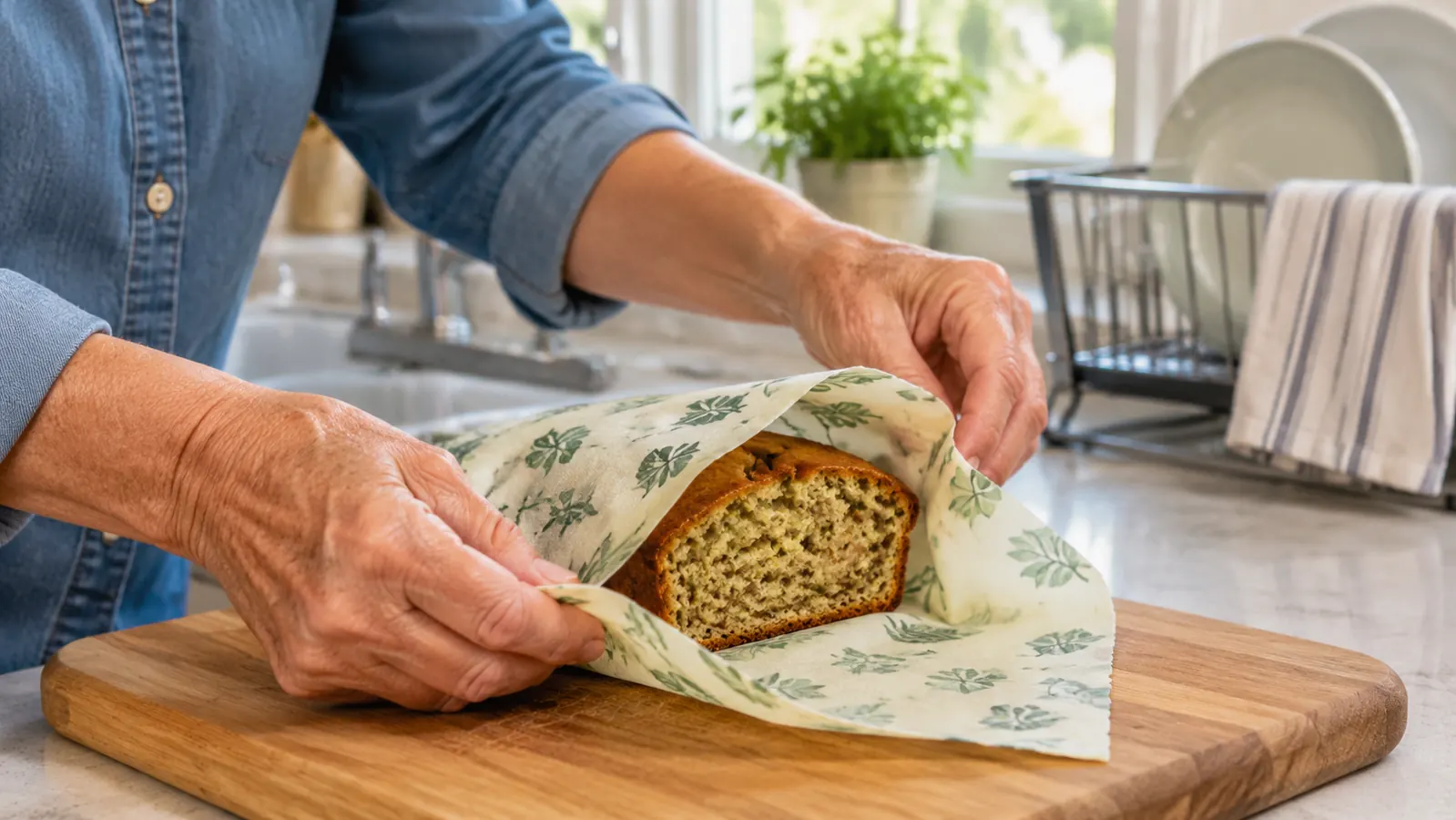
The three-pack comes with a small, a medium, and a large wrap. The large one is the one I use most for a cut loaf of zucchini bread. I lay it over the cut end, fold the edges under, and press them down with warm hands. It is cotton with beeswax, organic plant oils, and natural tree resin. It is breathable, which matters more than I thought it would.
Bread wrapped in plastic gets soft in a way I do not love. The crust goes from crust to sponge. With the Bee's Wrap, the loaf held up better. Not forever. This is not a time machine. But Sunday's bread was still good on Wednesday, and the cut end did not dry into a hockey puck. That is a low bar, maybe, but it is my bar. Caleb ate the last slice with peanut butter and did not ask what it was wrapped in.
Two loaves on Sunday. The last slice was still tender on Wednesday, and there was no plastic wrap in the trash.
The wraps I bought before the zucchini got ahead of me
I bought the three-pack myself last summer. It has handled a year of cut bread, cheese, and garden vegetables. If you are trying to cut down on plastic wrap without a big overhaul, this is the small step I would take first.
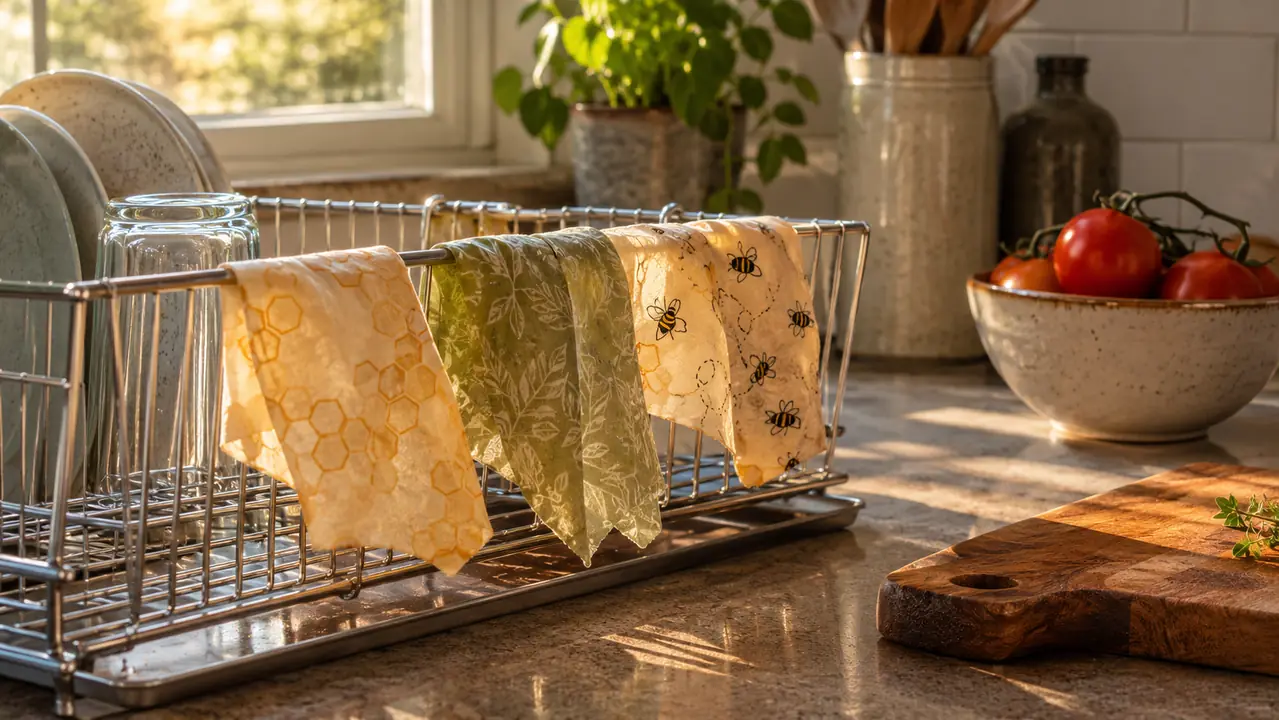
Amazon See the Bee's Wrap 3-Pack on Amazon →Here is what I did not expect: the wraps are easy to wash. I run them under cool water, use a little dish soap if they need it, and drape them over the dish rack to air dry. I hand wash them, and I believe that is the right way. I would not put them in the dishwasher or set them near a hot pan. I did leave one on the counter close to the stove once, and it softened more than I liked. That was my mistake, not the wrap's.
I also use the small wrap for the end of a block of cheddar and the medium one for a bowl of green beans from the garden. The wraps fold around the bowl and hold, more or less. They are not plastic. They do not shrink around a bowl the way plastic does. If you need a tight seal for something wet, use a container. If you need to cover a cut loaf or a piece of cheese, they do what they say. That is the honest trade.
By August, the zucchini was relentless. I made bread, fritters, and a chocolate zucchini cake that Caleb pronounced 'fine,' which from him is high praise. The wraps kept the cut bread from going stale and kept the cake from drying out. I composted one wrap at the end of the summer because it had gotten thin and tired. They can be composted when finished, and mine went into the pile behind the raised beds. It felt strange to put a kitchen wrap in the compost. It also felt right.
I am not going to tell you this replaces every piece of plastic in your kitchen. It did not in mine. I still use zip-top bags for the grandkids' sandwiches when we go to the ball field, and I still buy plastic wrap now and then. But the Bee's Wrap cut down the daily wrap-and-toss routine, and it made the counter look less like a crime scene. Nora noticed. She said, 'See, that wasn't so hard.' She is fifteen, so she was right.
There is a small learning curve. You have to use your hands to warm the wrap, and you have to fold it with a little care. The first time I used the large one, I made a mess of the corners and the bread was half exposed. By the second loaf, I had it. If you are the kind of person who wants a wrap to snap tight and stay put with no thought, this will annoy you. If you are willing to use your hands, it is fine.
What I'd Tell You If We Were Sitting at My Kitchen Table
If we were sitting at my kitchen table with coffee, here is what I would tell you. Buy the three-pack, not a single wrap, because you will want the large one for bread and the small one for cheese. Wash them in cool water and let them air dry. Do not expect them to behave like plastic. They are not plastic. They are cloth and wax, and they have their own way of doing things. If you have a drawer full of plastic wrap and a granddaughter who counts things, this is a reasonable place to start. It was for me.
The small change Nora noticed at my kitchen counter
The Bee's Wrap three-pack is still in my drawer, still doing the everyday work. If you want to start somewhere, start with the bread.
Amazon See the Bee's Wrap 3-Pack on Amazon →